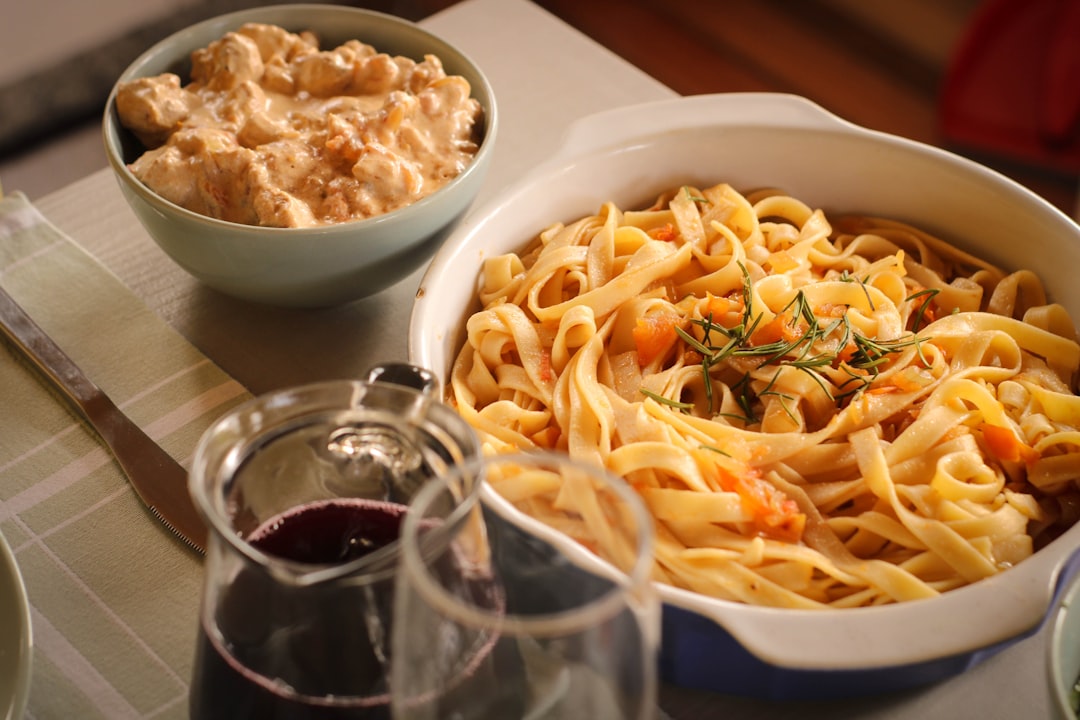
How to Master Northern Italy's Cream-Based Sauces

How to Master Northern Italy's Cream-Based Sauces

Introduction to Northern Italy's Culinary Scene

Explore the historical and cultural significance of cream-based sauces in Northern Italy's cuisine.

Northern Italy is famous for its rich, cream-based pasta sauces. These are not just any sauces; they are the backbone of the region's culinary reputation. Start with the basics: butter, cream, and cheese. These are your key players. Butter provides a silky foundation, while cream adds that luxurious texture everyone craves. Cheese, often Parmigiano-Reggiano, brings depth and umami.

To really understand regional inspirations behind gourmet pasta sauce can explore the full explanation provided..

Key Tips for Cream-Based Sauces

  • Maintain low and steady heat to prevent curdling.
  • Use high-quality ingredients for the best results.
  • Incorporate pasta water to achieve the right consistency.
  • Experiment with classic sauces like Alfredo for variety.

When you're making these sauces, timing is crucial. Add cream too early, and it might curdle. Too late, and it won't meld with the other ingredients. Keep your heat low and steady. Rushing is a common mistake. Patience is your friend here.

Fresh ingredients matter. Using high-quality butter and cheese can elevate your sauce from good to great. And don't forget the pasta water. It's liquid gold. The starch in it helps bind the sauce to the pasta, creating a cohesive dish.

If you're experimenting at home, consider classic sauces like Alfredo or a simple cream and mushroom sauce. Each offers a different profile but sticks to the foundation of creaminess.

Mistakes? Sure, they happen. Too thick? Add a splash of pasta water. Too thin? Let it simmer a little longer. Balance is key.

Understanding these elements not only helps you make a better sauce but also connects you to Northern Italy's rich culinary heritage. It's about more than just food; it's about tradition and flavor. Dive in and taste the difference.

Key Ingredients in Cream-Based Sauces

Discuss essential ingredients like butter, cream, and regional cheeses that form the basis of these sauces.

Let's dive straight into the heart of Northern Italy's culinary charm: cream-based sauces. These sauces are not just about adding richness; they embody a tradition that has been perfected over centuries. The key ingredients? Butter, cream, and cheese. Each one plays a role in creating that luxurious texture and depth of flavor that Northern Italy is known for. Butter is your starting point. It's the foundation, melting into a velvety base that sets the stage for what's next.

Important Tips for Cream-Based Sauces

  • Use heavy cream for a thick, luscious consistency.
  • Gradually incorporate cheese to allow flavors to meld.
  • Keep the heat low and stir continuously to prevent breaking.
  • Stick to full-fat ingredients for authentic richness.

Then comes the cream. Use heavy cream for that thick, luscious consistency. It binds everything together, creating a smooth canvas for the cheese to shine. Now, cheese isn't just a topping here; it's a core element. Parmigiano-Reggiano, Grana Padano, or even a touch of Gorgonzola can transform your sauce into something extraordinary. But don't just dump it all in. Gradually incorporate it, allowing each ingredient to meld perfectly.

Timing is crucial. If you rush, you risk breaking the sauce, leading to a greasy mess instead of a harmonious blend. Keep the heat low, and stir continuously. Patience is your friend. And don't forget the salt and pepper. Seasoning is what ties it all together. But be careful-not too much. Let the natural flavors of the ingredients do the talking.

Common mistakes? Overheating the sauce or using low-fat substitutes. These can result in a thin, lackluster sauce that misses the mark. Stick to quality, full-fat ingredients. It's what gives Northern Italy's cream-based sauces their signature richness. Master these steps, and you're well on your way to recreating a taste of Northern Italy right in your own kitchen.

Classic Cream-Based Sauces

Overview of traditional sauces such as Alfredo, Carbonara, and Panna, and their origins.

Northern Italy is famous for its rich, cream-based sauces, and for good reason. Imagine a sauce that combines butter, cream, and cheese. These ingredients are the backbone of many traditional dishes. For instance, a classic Alfredo sauce is something you might already be familiar with. It's typically made with heavy cream, butter, and Parmesan cheese. But it's not just about the ingredients; it's about how you use them.

Key Tips for Cream-Based Sauces

  • Heat cream gently to avoid separation.
  • Add Parmesan slowly to prevent clumping.
  • Use salt sparingly due to the cheese's saltiness.
  • Add a pinch of nutmeg for depth of flavor.
  • Balance butter to avoid a greasy texture.

When you're making these sauces, timing is everything. You want to heat the cream gently, never boiling it. Boiling can cause the cream to separate, leading to a lumpy mess instead of a smooth, velvety sauce. And don't forget about the cheese. Parmesan is a staple. It melts well and adds that nutty, savory flavor that balances the richness of the cream. But add it too quickly or at too high a temperature, and you risk clumping.

Another thing to watch out for is seasoning. Salt is essential, but with cheese already bringing some saltiness, you need to be cautious. A pinch of nutmeg can add an unexpected depth to the flavor, enhancing the creaminess without overpowering it.

And then there's the butter. You might think more is better, but too much can make the sauce greasy. The key is to use just enough to create a silky texture without overshadowing the other ingredients.

Mastering these sauces is about understanding the balance between the ingredients and the techniques. Get it right, and you'll have a sauce that clings perfectly to pasta, delivering a luxurious, comforting dish that speaks to the heart of Northern Italian cuisine.

Techniques for Perfecting Texture

Step-by-step guide on achieving the perfect consistency and texture in cream-based sauces.

When you're diving into the world of Northern Italy's cream-based sauces, think of ingredients like butter, cream, and cheese as your best friends. These are the building blocks. You want to use heavy cream for that luscious texture, not half-and-half. It's the fat content that gives the sauce its rich, velvety finish. Butter should be unsalted; it lets you control the seasoning better. Parmesan and other hard cheeses are common, and they should be freshly grated. Pre-grated cheese often has anti-caking agents, which can mess with the texture.

Key Ingredients for Cream-Based Sauces

  • Heavy cream for rich texture
  • Unsalted butter for controlled seasoning
  • Freshly grated Parmesan and other hard cheeses

Timing is everything. Add the cream towards the end of cooking to prevent it from breaking or curdling. Low and slow is the way to go. If you heat it too quickly, you'll end up with a mess. Keep stirring, but don't overdo it. Vigorous stirring can incorporate too much air, making the sauce frothy instead of smooth.

Common mistakes? Using high heat, not stirring enough, or skimping on the cheese. Each misstep can lead to a sauce that's grainy or split. If your sauce does break, a splash of cold cream can sometimes bring it back. But prevention is key. Practice patience and watch the sauce closely.

And why go through all this trouble? Mastering these sauces isn't just about taste; it's about understanding a part of Northern Italy's culinary identity. These sauces are luxurious and comforting, the kind of thing that makes a meal memorable. So, whether you're a foodie or an amateur chef, getting these sauces right is a game-changer in your cooking repertoire.

Pairing Sauces with Pasta Types

Insight into which pasta shapes best complement different cream-based sauces.

In Northern Italy, cream-based sauces are not just a culinary choice; they're a tradition. These sauces usually start with a base of butter, cream, and cheese. Take a classic like Alfredo or Carbonara—simple yet luxurious. The richness comes from quality ingredients. You can't skimp on these if you want to achieve that velvety texture. Fresh cream, high-fat content butter, and real Parmigiano-Reggiano are key.

Why bother with all this? Well, the texture and flavor of a well-made cream sauce elevate any dish. It's what makes pasta dishes crave-worthy. But it's easy to mess up. Too much heat can cause the cream to separate, and that's a disaster. You want to keep the heat low and gentle, stirring constantly. And don't forget to season well. Salt and a bit of freshly ground pepper can make all the difference.

Key Tips for Cream-Based Sauces:

  • Use quality ingredients like fresh cream and real Parmigiano-Reggiano.
  • Maintain low, gentle heat to prevent the cream from separating.
  • Season with salt and freshly ground pepper for enhanced flavor.
  • Pair thick sauces with flat, wide pasta for better sauce adhesion.

Pairing these sauces with the right pasta is also crucial. Thick, creamy sauces cling best to flat, wide pasta like fettuccine or pappardelle. The surface area helps hold the sauce, giving you that perfect bite every time. Avoid using thin pasta like angel hair; it won't support the sauce well and will often end up clumpy.

It's also worth noting that leftovers can be tricky. Cream-based sauces tend to thicken as they cool. Reheating them without breaking the sauce requires patience. A gentle heat and a splash of milk or cream can help restore the sauce to its former glory. So, if you're diving into Northern Italy's culinary delights, remember: quality ingredients, gentle cooking, and proper pairing are your best friends. These sauces are a testament to the region's love for rich, comforting food.

Incorporating Local Ingredients

How to enhance traditional recipes with fresh, local ingredients from Northern Italy.

When diving into Northern Italy's cream-based sauces, the first thing to know is that these sauces are all about richness and depth. We're talking about ingredients like butter, cream, and cheese. These are the backbone of many dishes in this region. Butter is not just a cooking fat here; it's a key flavor component. When you melt it, you're not just lubricating a pan. You're creating a base that will carry other flavors. The same holds for cream. It's not just there for texture. It's the essence of the sauce, adding a velvety touch that's hard to beat.

Key Ingredients and Techniques

  • Butter: A fundamental flavor component, not just a cooking fat.
  • Cream: Essential for texture and richness, adding a velvety touch.
  • Cheese: Parmesan, Gorgonzola, and Taleggio provide crucial umami.
  • Fresh Herbs: Sage and rosemary add complexity and balance.
  • Time: Essential for allowing ingredients to meld and develop depth.

Cheese is the other big player. Parmesan, Gorgonzola, and Taleggio are common choices. They bring in that umami punch, which is crucial for balance. And let's not forget about the importance of local produce. Fresh herbs like sage and rosemary are often added to enhance these sauces. They cut through the richness, adding a layer of complexity. But be careful. Overdo it, and you mask the sauce's primary flavors. Underdo it, and you risk a flat, one-dimensional taste.

Common mistakes? Using low-fat substitutes. If you skimp on the fat, you're losing the whole point of these sauces. They're meant to be indulgent. Another mistake is rushing the process. These sauces require time. You need to let them simmer. This allows all the ingredients to meld together. If you don't, you'll end up with a sauce that's disjointed and lacking in depth.

Mastering these sauces isn't just about following a recipe. It's about understanding the role each ingredient plays in creating that luxurious texture and flavor. Get it right, and you're not just making a meal. You're experiencing a piece of Northern Italy's culinary identity.

Common Mistakes and Tips

Identify common pitfalls when making cream-based sauces and professional tips to avoid them.

When diving into the art of Northern Italy's cream-based sauces, it's all about balance and precision. First off, always start with quality ingredients. Fresh butter, heavy cream, and authentic Parmigiano-Reggiano are non-negotiable. These are the backbone of sauces like Alfredo and Carbonara. Using substitutes can compromise the sauce's texture and flavor.

Timing is crucial. You don't want to overcook your sauce. Cream should be warmed gently, not boiled, to prevent curdling. Stir continuously to achieve a smooth, velvety consistency. A common mistake is adding cheese too early. Introduce it off the heat to avoid clumping.

Key Points to Remember:

  • Use fresh butter, heavy cream, and authentic Parmigiano-Reggiano.
  • Warm cream gently to prevent curdling.
  • Add cheese off the heat to avoid clumping.
  • Taste before adding salt, as cheese can be salty.
  • Use pasta water gradually to thicken the sauce.
  • Serve immediately to maintain the sauce's texture.

Salt is another element to handle with care. Cheese often adds enough saltiness, so taste before seasoning. It's easy to overdo it and ruin the balance.

Don't forget the pasta water. Its starchy goodness acts as a natural thickener and helps the sauce adhere to the pasta. Add a ladleful to your sauce, but do it gradually. Too much can dilute the richness you're aiming for.

Lastly, remember that cream-based sauces don't hold well. They thicken and sometimes separate if left to sit. Serve immediately for the best experience. If you've ever had a clumpy, oily mess, that's why.

Mastering these sauces is not just about technique; it's about understanding the ingredients and how they interact. Get these basics right, and you'll elevate your pasta dishes to a new level of indulgence.

Adapting Sauces for Modern Palates

Tips for adapting classic recipes to suit contemporary tastes and dietary needs.

When diving into the creamy world of Northern Italy's pasta sauces, you'll want to start with a few key ingredients: butter, cream, and cheese. These are the backbone of the region's rich, velvety sauces. Think of béchamel and Alfredo—each offering a distinct taste and texture. To get it right, the balance is critical. Too much cream can overpower, turning your sauce into a soupy mess. The butter should be just enough to add depth without making it greasy. Parmesan or Grana Padano are your cheeses of choice, adding a salty, nutty kick.

Key Points for Perfect Sauce

  • Use butter, cream, and cheese as foundational ingredients.
  • Add cream slowly over low heat to prevent curdling.
  • Season with salt, pepper, and a pinch of nutmeg for authenticity.
  • Stir continuously for a smooth texture.

Timing is everything. When making these sauces, add the cream slowly over low heat. This prevents curdling, a common mistake many make in their rush. If you're impatient, you'll end up with a lumpy sauce. Stir continuously, but not frantically, to keep the texture smooth. And don't forget to season. Salt and pepper are basic, but a pinch of nutmeg can elevate the sauce, giving it that authentic Northern Italian touch.

Why does this matter? Because a well-made sauce can transform a simple pasta dish into something extraordinary. It's about creating layers of flavor that complement rather than overpower your pasta. And when done right, these sauces aren't just rich—they're luxurious. But skip a step, or rush through, and you'll miss out on that silky texture that makes these sauces so renowned. So, take your time, pay attention to the details, and you'll be rewarded with a sauce that's as satisfying as it is sumptuous.

Serving and Presentation Ideas

Creative ways to present and serve cream-based pasta dishes for an enhanced dining experience.

Alright, let's dive straight into the heart of Northern Italy's cream-based sauces. We're talking about the kind of sauces that elevate pasta from a simple meal to a culinary experience. These sauces are all about rich, indulgent textures. Butter, cream, and cheese are the holy trinity here. They're the backbone of these sauces, giving them their luxurious feel and flavor. Think of Alfredo sauce, for example, where butter and Parmesan cheese come together in a silky, creamy concoction. It's simple but requires attention to detail.

Key Tips for Perfect Cream-Based Sauces

  • Maintain a balance of ingredients to avoid overpowering flavors.
  • Avoid overheating the cream to prevent separation.
  • Use high-quality cheese like Grana Padano or Parmigiano-Reggiano for added depth.
  • Add cheese when the cream is warm, not boiling, to ensure smooth melting.
  • Enhance flavor with a pinch of nutmeg and proper seasoning.

Now, here's the thing. The balance of ingredients is crucial. Too much cream, and you might drown out other flavors. Not enough, and the sauce loses its richness. A common mistake is overheating the cream, which can cause it to separate. Low and slow is the way to go when combining these ingredients. Also, never underestimate the power of good-quality cheese. Grana Padano or Parmigiano-Reggiano can make or break your sauce. They add depth and a nutty flavor that's hard to replicate with anything else.

Timing is also key. Add the cheese at the right moment-when the cream is warm but not boiling. This ensures it melts properly without clumping. If you don't get this right, your sauce can become grainy. And remember, seasoning is your friend. A pinch of nutmeg can enhance the creaminess, while salt and pepper bring everything together.

So, there you have it. Master these elements, and you'll be on your way to mastering Northern Italy's cream-based sauces. It's a rewarding journey, especially for those who appreciate the art of cooking.

Frequently Asked Questions

Key ingredients include butter, cream, and cheese, which are essential for creating the rich and luxurious textures characteristic of these sauces.
These sauces are celebrated for their luxurious textures and flavors, making them an essential part of the regions culinary identity and a must-try for anyone interested in gourmet cooking.
Alfredo sauce is a popular example, known for its creamy consistency and rich flavor, usually made with butter, heavy cream, and Parmesan cheese.
Amateur chefs can start by focusing on balancing the key ingredients to achieve the right texture and flavor, and by practicing the technique of emulsifying butter and cream with cheese.